
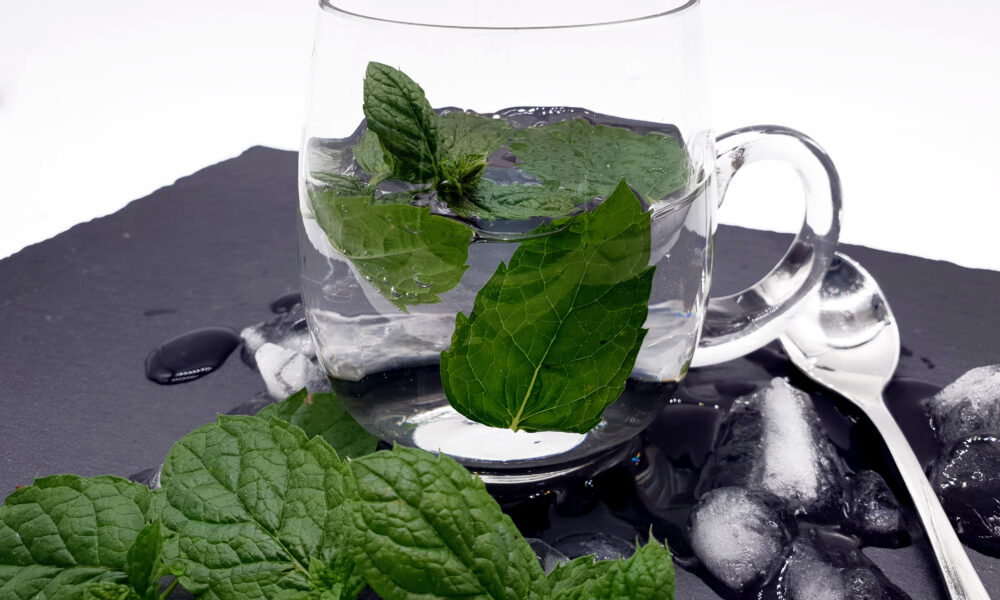
Is Peppermint Tea Good For Bloating And Weight Loss?
Bloating and stubborn belly fat is no more a concern. The right yet easy solution is the key to achieving your health and weight loss goals. Well known for its refreshing taste and digestive benefits peppermint tea naturally aids to ease bloating and support your body’s fat metabolism.
What is Peppermint Tea?
Peppermint tea is particularly a refreshing herbal caffeine free beverage made from the leaves of the peppermint plant called Mentha piperita. It is rich in natural compounds like menthol, menthone, and limonene all of these are known to reduce inflammation, calm the stomach and give your metabolism a gentle boost.
How Peppermint Tea Helps with Bloating?
Peppermint tea has soothing effects on your digestive system which makes it a natural remedy for bloating. The menthol present in it helps calm the digestive muscles, which helps ease the tight and bloated feeling many people get after eating. Consuming peppermint tea 20 minutes after meals can stimulate the flow of bile (the fluid your body uses to digest fats) which helps make the digestion smoother. Peppermint tea can be very helpful for people with a sensitive digestive system as it aids in reducing bloating, cramps and discomforts.
Can Peppermint Tea Reduce Fat Storage?
Peppermint may support weight management indirectly, along with some health benefits.
1. Reduces Appetite
The strong menthol aroma present in peppermint tea may help curb cravings and reduce unnecessary snacking. Drinking a cup between meals can help you stay full for longer.
2. Supports Digestion and Metabolism
By preventing bloating and aiding in nutrient absorption, peppermint tea may support your body’s natural fat metabolism.
3. Anti-inflammatory Benefits
Sometimes your body holds onto some extra weight because of hidden inflammation that slows down our metabolism and affects fat burning hormones. Peppermint tea can gently ease this inflammation making it a natural and helpful way to support your body’s efforts to lose weight.
Best Time to Drink Peppermint Tea for Bloating and Fat Reduction
- After Meals: Helps in digestion and prevents post-meal bloating.
- In the Evening: Soothes the stomach and prevents nighttime bloating or cravings.
- Before Bed: Promotes relaxation and may indirectly help with hormonal balance that affects fat storage
How to Prepare Peppermint Tea
To make peppermint tea, add 1 teaspoon of dried peppermint leaves or 1 peppermint tea bag to 1 cup of boiling water. Let it steep for 5–10 minutes, then strain the tea if using loose leaves and enjoy it warm. You can also add a few drops of fresh lemon juice or a little honey for extra flavor.
Side Effects Of Peppermint Tea
Peppermint tea is generally safe for most people when consumed in moderation. However, it may worsen acid reflux or heartburn in some people, particularly those with GERD. During pregnancy, avoid consuming large amounts unless your doctor or healthcare professional recommends it. If you have gallbladder problems or any other medical condition, it is best to consult your doctor before regularly drinking peppermint tea.
Scientific Studies Supporting the Benefits of Peppermint Tea
1. Improved Digestive Health:
A study published in PubMed in 2019 found that peppermint oil—the key ingredient in peppermint tea helped ease common symptoms of irritable bowel syndrome (IBS), like bloating and stomach pain. This shows how peppermint tea can be a gentle way to calm the digestive system and support better gut movement.
2. Peppermint’s Influence on Hormones
A study published in PubMed investigated the effects of peppermint and spearmint teas on hormone levels in rats, noting changes in testosterone and luteinizing hormone levels.
Peppermint Tea vs Other Herbal Teas for Digestion
While peppermint tea is a favorite for soothing an upset stomach, it’s not the only herbal tea known to support digestion. Let’s see how it stacks up against a few other popular choices
1. Ginger Tea
If you’re feeling bloated or nauseous, ginger tea might be your go-to. It’s well-known for its powerful anti-inflammatory and stomach-settling effects. People often reach for it during travel, motion sickness, or after a heavy meal—it helps get things moving and may even give your metabolism a little kick.
2. Chamomile Tea
Chamomile isn’t just for sleep—it’s also a gentle healer for your gut. With its calming properties, it helps ease digestive discomfort, especially when stress is the culprit. If your tummy tends to react to anxiety, chamomile tea can bring a much-needed sense of calm.
3. Fennel Tea
If you often feel gassy or bloated after a meal, fennel tea can help ease symptoms and relax your body instantly. This sweet, licorice-like tea contains compounds that relax your digestive muscles and ease gas and cramps. It’s especially popular as a post-meal tea in many cultures.
The Bottom Line
Peppermint tea is a gentle, natural solution for bloating and digestive discomfort. Its soothing properties support smoother digestion and may aid in fat metabolism when consumed regularly. Simple, effective, and backed by nature — it’s a smart addition to your wellness routine.
Disclaimer: This article is for informational and educational purposes only and is not intended to replace professional medical advice, diagnosis, or treatment. Peppermint tea may offer certain benefits for some people, but individual responses can vary, and it is not a guaranteed treatment for any medical condition. If you have GERD, gallbladder problems, are pregnant or breastfeeding, take medications, or have any underlying health condition, consult a qualified healthcare professional before regularly consuming peppermint tea.
Related FAQs

Best Detox Teas and Drinks for Weight Loss
Catechins – Benefits, Foods & EGCG Explained





No Comment! Be the first one.