

Green Tea Guide: Types, Benefits & How to Drink It Daily
Green tea is one of the most popular beverages worldwide and has been widely studied for its potential health benefits. Made from unoxidized leaves of the Camellia sinensis plant, green tea is naturally rich in plant compounds called catechins, especially EGCG (Epigallocatechin Gallate).
These powerful antioxidants have been studied for their role in supporting metabolism, heart health, brain function, and overall wellness. From choosing the right type of green tea to understanding the best way to consume it, this guide covers everything you need to know about green tea and its benefits.
Health Benefits of Green Tea
1. Rich in Antioxidants
Green tea is rich in catechins, powerful antioxidants that help protect cells from oxidative stress and support overall health.
2. Supports Heart Health
Regular consumption has been associated with better heart health, including supporting healthy cholesterol levels (reduced LDL and improved function of the arteries [1]). It may help improve blood vessel function, reduce inflammation and support healthy blood pressure levels by improving cardiovascular health.
3. Lowers the Risk of Cancer
According to a study, catechins act as antioxidants that help neutralize harmful free radicals and protect cells from oxidative stress, preventing DNA damage and supporting cellular heath [2]. However, it is important to understand that green tea is not a cure or guaranteed way to prevent cancer. It should be considered as one part of a healthy lifestyle that includes a balanced diet, regular exercise, avoiding tobacco, and routine medical check-ups.
4. Enhances Brain Function
Green tea contains natural compounds like caffeine and L-theanine, which may help improve focus, alertness, and mood. The combination of these compounds has been studied for its potential role in supporting cognitive function and mental clarity.
5. Reduces the Risk of Type 2 Diabetes
Green tea may support healthy blood sugar levels and insulin sensitivity due to its catechins and antioxidant properties. Some studies, including clinical research, have explored the relationship between green tea consumption and type 2 diabetes risk. A 2025 meta-analysis published in Medicine reviewed 15 clinical trials and found that green tea consumption significantly improved fasting blood glucose and HbA1c levels in people with type 2 diabetes, suggesting that green tea may support blood sugar management as part of a healthy lifestyle. [3].
Types of Green Tea
| Type | Origin | Taste Profile | Unique Benefit |
| Sencha | Japan | Grassy, Fresh | Great for daily energy |
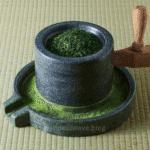
| Matcha | Japan | Creamy, Rich | High in antioxidants, supports focus |
| Gyokuro | Japan | Sweet, Umami | Rich in calming amino acids |
| Hojicha | Japan | Nutty, Roasted | Low caffeine, perfect for evenings |
| Genmaicha | Japan | Toasty, Popcorn-like | Soothes digestion |
| Dragon Well | China | Smooth, Nutty | Heart-healthy, cooling effect |
| Gunpowder | China | Strong, Bold | Perfect for cold brew teas |
| Jasmine Green Tea | China | Floral, Calming | Reduces anxiety and stress |
Potential Side Effects of Green Tea
1. Caffeine Sensitivity
Green tea contains caffeine, which may cause sleep disturbances, anxiety, or increased heart rate in caffeine-sensitive individuals. Choosing lower-caffeine options or avoiding green tea late in the day may help reduce these effects.
2. Iron Absorption
Green tea contains catechins that may reduce the absorption of iron from food. If you have iron deficiency or anemia, it is better to avoid drinking green tea with meals. Try consuming it at least 1 hour before or after eating.
3. Liver Health
High doses of green tea extracts, especially in supplement form, have been linked to rare cases of liver-related issues. Regular green tea consumption is generally considered safe for most people when consumed in moderation.
Who Shouldn’t Drink Green Tea?
- Pregnant or breast feeding mothers should consult a healthcare provider.
- Individuals with iron deficiency or anemia
- People with any kind of liver disorders should consult their specialist before consuming green tea.
- People on regular and heavy medications should consult their physician as medications may sometimes react with green tea compounds.
How to Take Green Tea?
There is no specific way to drink green tea, it completely depends on your health goals. If you are drinking green tea for general wellness, then 1-3 cups per day is usually enough. For weight loss many people prefer drinking it in the morning along with breakfast or 30-60 minutes before exercise to support metabolism. If you are drinking green tea for thyroid health or any other specific condition, then it is important to follow your doctor’s advice. Avoid drinking green tea on an empty stomach if it causes discomfort, and try not to consume it immediately after meals, as it may affect iron absorption. The key is to choose a routine that matches your purpose and fits comfortably into your daily lifestyle.
Who Should Drink Cold Brew Green Tea?
Cold brew green tea can be a good option for:
- People who prefer a smoother and less bitter taste.
- Those who are sensitive to caffeine, as cold brewing may result in slightly lower caffeine extraction.
- Individuals with a sensitive stomach who find hot green tea uncomfortable.
- Anyone looking for a refreshing drink during hot weather while enjoying the benefits of green tea.
Best Time to Drink Green Tea
Morning
Drinking green tea in the morning can help you feel more alert and focused. It is also a convenient time to include antioxidants in your daily routine.
After Meals
If you have iron deficiency or anemia, it is best to wait 1–2 hours after meals before drinking green tea, as it may reduce iron absorption from plant-based foods.
Before Exercise
Drinking green tea 30–60 minutes before a workout may support fat oxidation and provide a gentle energy boost due to its natural caffeine and catechin content.
Late Evening or Night
Avoid drinking green tea close to bedtime, especially if you are sensitive to caffeine, as it may interfere with sleep quality.
Ayurvedic Perspective on Green Tea
According to Ayurveda, green tea is considered to have a cooling nature and may help balance Pitta dosha when consumed in moderation. It is often appreciated for supporting digestion and overall well-being. However, excessive consumption, especially late in the evening, may not suit everyone and could contribute to restlessness or sleep disturbances in caffeine-sensitive individuals. As with most foods and beverages in Ayurveda, moderation and individual body constitution play an important role.
The Bottom Line
Green tea is a refreshing as well as a powerful natural drink packed with antioxidants like catechins that support overall health. From boosting metabolism and aiding weight loss to enhancing brain function and reducing the risk of chronic diseases like cancer and heart disease, green tea offers a wide range of science-backed benefits.
Disclaimer: This article is for informational purposes only and does not constitute medical advice, diagnosis, or treatment. Green tea may interact with certain medications or underlying health conditions. Please consult your healthcare provider before making any significant changes to your diet, especially if you are pregnant, breastfeeding, taking any medications, or managing any health condition.
Related FAQ’s

How Do Tridoshas Affect Women’s Health at Every Stage?
6 Proven Ways Matcha Tea Improves Your Health




No Comment! Be the first one.