
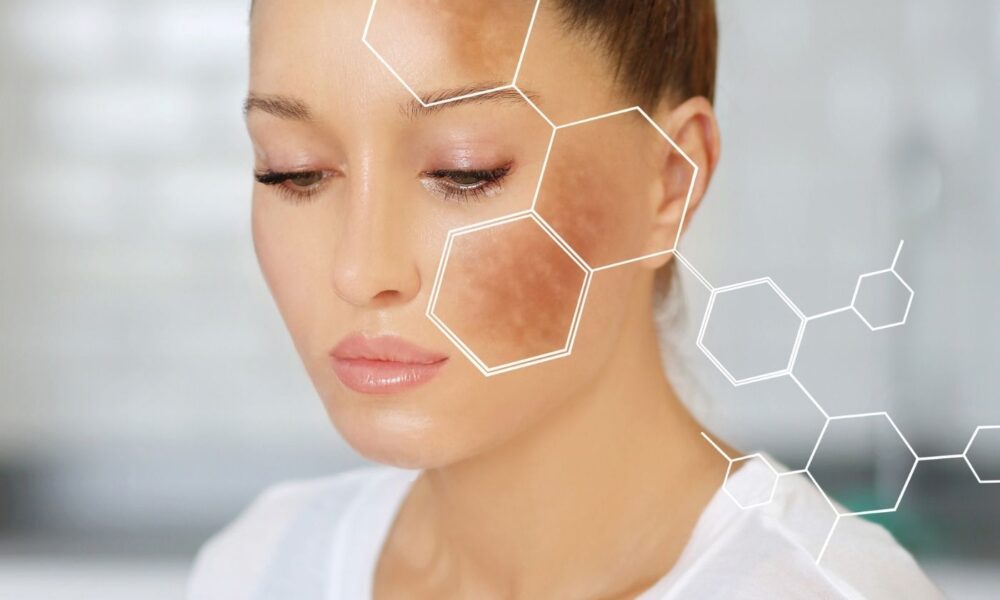
How to Fix Hyperpigmentation – Complete Guide For South Asian and Brown Skin
Have you ever noticed that after a pimple heals or a sunburn fades, it often leaves behind a dark spot on the skin? Sometimes the neck, underarms, or even the cheeks start looking darker or uneven compared to the rest of the skin tone.
This is hyper pigmentation – this problem is common in brown skin as well as in South Asian compared to lighter skin tones. This happens due to excess melanin present in the skin due to which the scars are clearly visible and it takes more time to fade.
The good news is, this can be fixed.
What is Hyperpigmentation?
Hyperpigmentation is a condition in which some parts of the skin are darker compared to the normal skin. This usually happens when the skin starts producing excess melanin, which leads to darker patches, spots, or uneven skin tone.
Types of Hyperpigmentation
1. Post inflammatory Hyperpigmentation (PIH)
This is the most common type of hyperpigmentation in brown skin. When there is inflammation on the skin due to a pimple, cut, rash, waxing or threading it leaves dark patches after healing. These patches are stubborn in South Asian skin.
2. Melasma
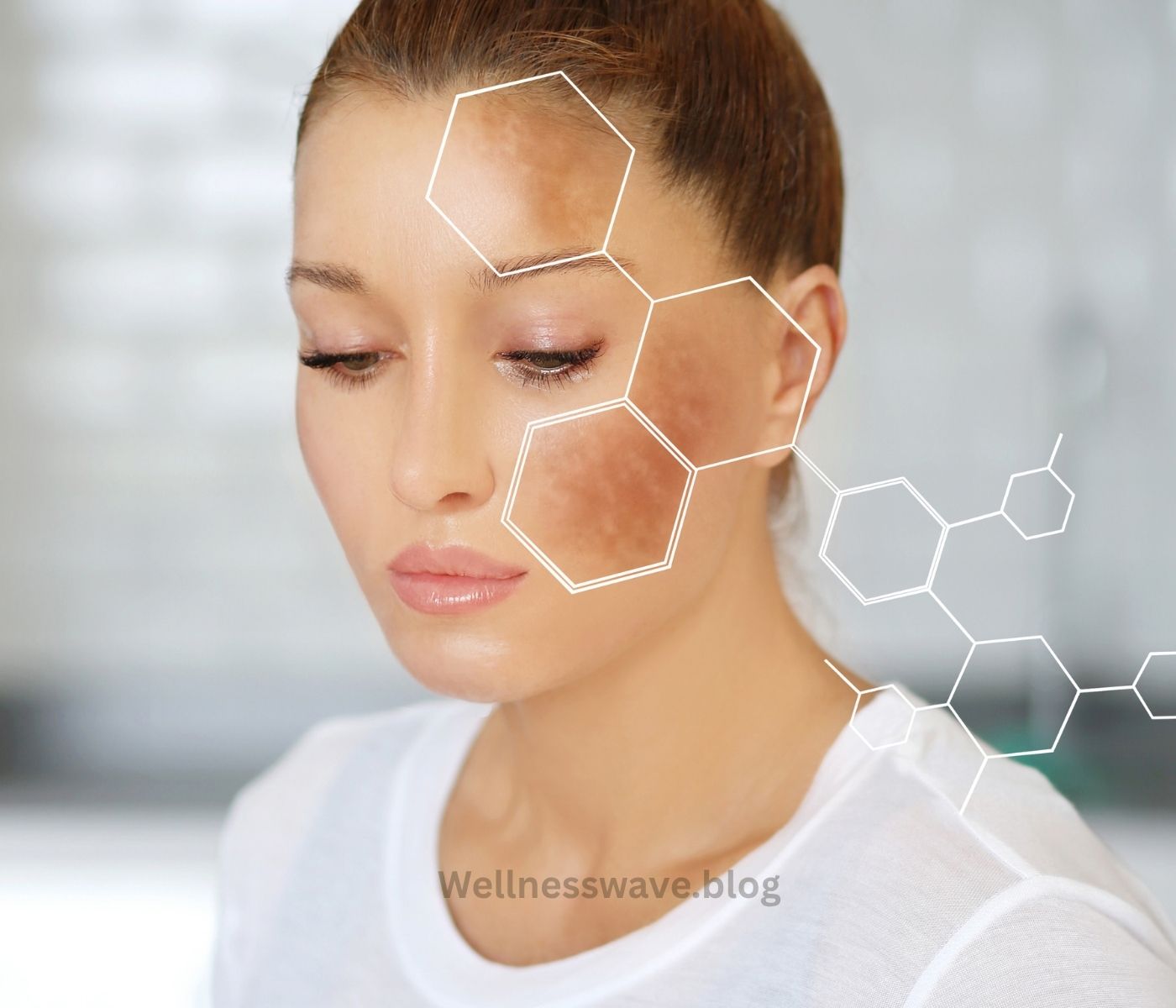
These are big brown patches usually on the cheeks, fore head and upper lip. This usually happens because of hormonal changes especially in South Asian women due to pregnancy, birth control pills and PCOD. Sun exposure even worsens it.
3. Sun spots / Sun damage
Sun spots (also called age spots or hyperpigmentation) and sun damage occur when your skin is exposed to ultraviolet (UV) rays from the sun over time. This problem also worsens with strong sunlight.
4. Acanthosis Nigricans
Dark skin folds and velvety patches on the underarms and neck which is usually caused due to PCOD. This is a different type of hyperpigmentation which should be treated from within.
Why Darker Skin Tones Are More Sensitive to Pigmentation?
It is really important to understand this especially if you stay in the United States (US) and visit a dermatologist often.
1. The Role of Melanin
In brown and South Asian skin types, melanocytes tend to be more reactive. As a result, even mild injury, irritation, or inflammation can lead to excess melanin production, often causing post-inflammatory hyperpigmentation.
2. Fitzpatrick Skin Type
The Fitzpatrick Skin Type scale is a dermatological classification system used to describe how different skin tones respond to sun exposure (UV rays). It mainly helps in understanding burning, tanning, and sun damage risk.
It divides skin into 6 types (I to VI):
a. Type I–II (Very fair to fair skin)
- Always burns easily
- Rarely tans
- Very high risk of sunburn and skin damage
b. Type III–IV (Light brown to medium/brown skin)
- Sometimes burns, usually tans
- Moderate risk of pigmentation and sun damage
- More prone to uneven tanning and dark spots
c. Type V–VI (Brown to deep brown/dark skin)
- Rarely burns
- Tans very easily
- Lower risk of sunburn but higher tendency for hyperpigmentation (dark spots) after injury or inflammation
3. Using the wrong product
Many skin care products that have been tested for fair skin, cause irritation on the brown skin and increase hyperpigmentation.
A 2022 study published in the Journal of Clinical and Aesthetic Dermatology confirmed Post-inflammatory hyper pigmentation is more prevalent and often more severe in South Asian and Black skin compared to lighter skin types.
Science-Backed Ingredients That Help
1. Vitamin C (L-Ascorbic Acid)
Vitamin C is one of the most researched and effective brightening ingredients. It helps reduce melanin production and gradually improves skin brightness and uneven tone. 10–15% concentration is ideal for brown skin. Higher concentrations may cause irritation in sensitive skin.
Natural Source
Indian gooseberry (Amla) is one of the richest natural sources of Vitamin C. Using amla internally (juice) along with a topical Vitamin C serum can give better results.
Recommended Products
- India: Minimalist 10% Vitamin C Serum, Dot & Key Vitamin C Serum
- US: TruSkin Vitamin C Serum, Mad Hippie Vitamin C Serum
2. Niacinamide (Vitamin B3)
Niacinamide is one of the best ingredients for brown skin. It helps reduce melanin transfer and evens out skin tone easily without irritation. It is safe for daily use at 5–10% concentration.
Recommended Products:
- India: Minimalist 10% Niacinamide, The Derma Co Niacinamide Serum
- US: The Ordinary Niacinamide 10% + Zinc, CeraVe PM Moisturizer
3. Alpha Arbutin
Alpha Arbutin directly inhibits melanin production. It is gentle and safe for brown skin. When combined with Niacinamide, it provides enhanced results in fading dark spots.
4. AHAs (Glycolic Acid, Lactic Acid)
AHAs are chemical exfoliants that remove dead skin cells and help fade dark patches over time.
It is important to start with low concentration (5–8%), especially for brown skin. Strong formulas may sometimes worsen hyperpigmentation.
For South Asian skin, lactic acid is considered to be gentler and more suitable than glycolic acid.
5. Kojic Acid
Derived from mushrooms and fermented rice, Kojic Acid helps reduce melanin production and brightens the skin. It is widely used in India but should be used carefully on sensitive skin.
6. Retinol
Retinol increases cell turnover and helps fade dark spots over time.
- Use only at night
- Start with low strength (0.025–0.05%)
- Always use sunscreen during the day, or pigmentation may worsen
7. Tranexamic Acid
A newer but highly effective ingredient, especially for melasma .A clinical study on South Asian patients found that topical 5% tranexamic acid improved melasma safely and effectively, with good tolerability.
Indian Kitchen Ingredients That Help
1. Turmeric (Haldi)
Curcumin, the active compound in turmeric, has anti-inflammatory and mild brightening properties. It is scientifically supported. It can be used as a face mask or combined with Vitamin C skincare products. Excess use may temporarily cause a yellow tint on the skin.
2. Amla (Indian Gooseberry)
A powerful source of Vitamin C. It helps inhibit melanin production and works both internally (juice) and externally (mask or extract).
3. Multani Mitti
Helps control oil and cleanse pores. It does not directly treat pigmentation but may help prevent acne-related PIH.
Gram Flour (Besan)
A mild exfoliant that helps remove dead skin cells and improves skin texture. It does not directly treat pigmentation but improves overall skin appearance.
Ingredients to Avoid
1. Lemon Juice (Direct Application)
Lemon is highly acidic and can cause irritation, burns, and photosensitivity—especially in brown skin. It can worsen PIH instead of improving it.
2. Toothpaste on Pimples
Causes irritation and increases risk of pigmentation. Can also cause burning sensation.
Sunscreen is an Important Step
Sunscreen is the first essential step in treating hyperpigmentation. Without it, no treatment will work effectively. UV rays stimulate melanin production, which worsens dark spots.
Sunscreen Guide for Brown Skin
- SPF: Minimum SPF 30, ideally SPF 50
- PA Rating: PA+++ or PA++++ for UVA protection
Recommended Sunscreens:
- India: Minimalist SPF 50, Dot & Key Waterlight Sunscreen, Re’equil Silicone Free Sunscreen
- US: EltaMD UV Clear SPF 46, Black Girl Sunscreen SPF 30, Neutrogena Hydro Boost SPF 50
When to See a Dermatologist
Consult a dermatologist if:
- No improvement after 6 months
- Spots are increasing
- Painful or unusual pigmentation
- Severe melasma
- Worsening acanthosis nigricans
Medical treatments may include:
- Chemical peels
- Laser therapy
- Prescription retinoids
- Hydroquinone (short-term use only)
The Bottom Line
Hyperpigmentation, especially in South Asian and brown skin, is a gradual process rather than an overnight issue. However, with the right ingredients, sun protection, and consistency, it can significantly improve.
Disclaimer: This article is for informational and educational purposes only and is not a substitute for professional medical advice, diagnosis, or treatment. The information about hyperpigmentation, skincare ingredients, home remedies, and sunscreen is based on general skincare knowledge, and individual results may vary. Always patch-test new products and avoid irritating ingredients. If pigmentation is persistent, worsening, painful, or unusual, consult a qualified dermatologist.


No Comment! Be the first one.