
Catechins – Benefits, Foods & EGCG Explained
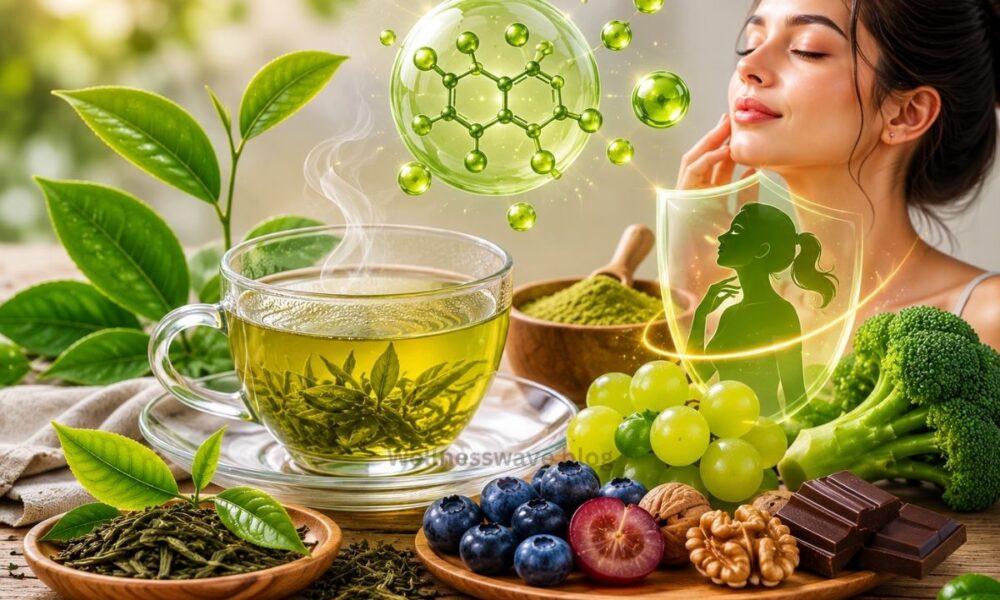
Catechins are naturally occurring plant compounds with powerful antioxidant properties. They are found in foods and beverages such as green tea, apples, berries, and cocoa. Research suggests that catechins may help protect cells from oxidative stress, support heart health, and contribute to overall well-being when consumed as part of a balanced diet. Among all dietary sources, green tea is considered one of the richest sources of catechins, particularly epigallocatechin gallate (EGCG), the most extensively studied catechin.
What Are Catechins?
Catechins are a type of natural polyphenol that belongs to the flavonoid family. They are plant-based compounds that help protect plants and are known for their antioxidant properties. Green tea, made from the leaves of Camellia sinensis, is one of the richest natural sources of catechins. They are also found in foods like apples, berries, grapes, and cocoa.
Catechins help neutralize free radicals, which are unstable molecules that can contribute to oxidative stress in the body. Due to their antioxidant activity, catechins have been widely studied for their potential role in supporting heart health, metabolism, brain function, and overall wellness. However, their effects can vary depending on factors such as diet, lifestyle, and the amount consumed.
Scientific Classification of Catechins
Catechins are classified under the larger family of plant compounds known as polyphenols. Polyphenols are naturally occurring compounds found in plants and are widely studied for their antioxidant properties.
The classification of catechins is:
Polyphenols → Flavonoids → Flavan-3-ols → Catechins
Within the flavonoid family, catechins belong to a subgroup called flavan-3-ols. This group includes several important compounds such as EGCG, ECG, EGC, and EC, which are commonly found in green tea and other plant-based foods.
These compounds contribute to the color, taste, and protective properties of many plants while also being researched for their potential health benefits in humans.
Catechin Types
Catechins are divided into several types, each with a slightly different chemical structure and potential health effects. The four major catechins commonly found in green tea and plant-based foods are EGCG, ECG, EGC, and EC.
1. EGCG (Epigallocatechin gallate)
According to PubMed research, EGCG has been studied for its antioxidant properties. EGCG is the most abundant and extensively studied catechin found in green tea. It has strong antioxidant properties and has been researched for its potential role in supporting metabolism, heart health, brain function, and the body’s natural defense against oxidative stress.
2. ECG (Epicatechin gallate)
ECG is another important catechin found mainly in green tea. It contributes to the antioxidant activity of tea and has been studied for its potential effects on cellular health and protection against oxidative stress.
3. EGC (Epigallocatechn):
EGC is a catechin commonly found in green tea. Like other catechins, it has antioxidant properties and is being researched for its possible role in supporting overall health and healthy cellular function.
4. EC (Epicatechin)
EC is found in foods such as cocoa, apples, berries, and tea. Research suggests that epicatechin may support healthy blood flow and cardiovascular function through its effects on blood vessels.
What Makes EGCG So Powerful?
EGCG (Epigallocatechin Gallate) is considered one of the most studied catechins found in green tea. Its popularity comes from its strong antioxidant activity and its potential role in supporting several areas of health, including metabolism, heart health, brain function, and healthy aging.
1. Strong Antioxidant Properties
EGCG has powerful antioxidant activity that helps neutralize free radicals — unstable molecules that can contribute to oxidative stress and cellular damage. This is one of the main reasons researchers continue to study EGCG for its potential protective effects on overall health.
2. Supports Metabolism and Weight Management
Research suggests that EGCG, especially when combined with caffeine naturally found in green tea, may have a small effect on energy expenditure and fat metabolism. However, EGCG is not a magic weight-loss solution. Sustainable weight management still depends on a balanced diet, regular physical activity, and healthy lifestyle habits.
3. Brain Health and Mental Focus
EGCG has been studied for its potential role in supporting brain health. Its antioxidant properties may help protect brain cells from oxidative stress, while research continues to explore its relationship with memory, focus, and cognitive function.
4. Helps Maintain a Healthy Inflammatory Response
Studies suggest that EGCG may influence pathways involved in inflammation. While more research is needed, its antioxidant activity may help support the body’s natural balance and overall wellness.
5. Supports Heart Health
EGCG has been researched for its possible role in cardiovascular health. Some studies suggest that green tea consumption may be associated with improvements in factors such as cholesterol levels and blood vessel function.
Best Food Sources of Catechins
Catechins are naturally found in a variety of plant-based foods and beverages. Although green tea is the richest source, several fruits and cocoa products also contain these beneficial plant compounds.
1. Green Tea
The richest natural source of catechins, especially EGCG. Regular consumption may help support antioxidant intake.
2. Matcha Green Tea
Matcha is made from finely ground whole green tea leaves, allowing you to consume the entire leaf rather than just an infusion. Because of this, it generally contains higher concentrations of catechins, particularly EGCG, compared with regular green tea. When consumed in moderation, matcha can be an excellent source of antioxidants as part of a balanced diet.
3. Apples
Apples, especially with their skin, contain catechins along with other beneficial polyphenols and dietary fiber. Including whole apples in your diet can help increase your intake of natural antioxidants while supporting overall health.
4. Berries
Berries such as blackberries, raspberries, blueberries, and strawberries are rich in antioxidants, including catechins. They also provide vitamin C and fiber, making them a nutritious choice for supporting overall wellness.
5. Cocoa and Dark Chocolate
Cocoa is naturally rich in catechins and other beneficial flavonoids. Dark chocolate with a high cocoa content can be a good source of these antioxidants when enjoyed in moderation as part of a balanced diet.
6. Grapes
Red and purple grapes naturally contain catechins along with other plant compounds like resveratrol. They make a nutritious snack and contribute to your daily antioxidant intake.
7. Black Tea
Black tea also contains catechins, although some are transformed into other beneficial compounds during the oxidation (fermentation) process. Even so, it remains a valuable source of tea polyphenols and antioxidants.
Catechins and Weight Loss
Green tea is often linked with weight loss, but the reason behind it is not just the tea itself. The main compounds responsible for this effect are catechins, especially EGCG (Epigallocatechin Gallate), which have been studied for their role in metabolism and fat burning.
Catechins may help support weight management by slightly increasing calorie burning and helping the body use stored fat for energy. However, they are not a quick fix for weight loss. A healthy diet, regular exercise, and consistent lifestyle habits play the biggest role in achieving long-term results.
How Do Catechins Help Burn Fat?
1. Boosts Thermogenesis (Calorie Burning)
Thermogenesis is the process where your body produces heat by using energy. Catechins, especially EGCG, may slightly increase thermogenesis, which can help your body burn more calories. While the effect is not dramatic, it may support overall weight management when combined with a healthy lifestyle.
2. Supports Fat Oxidation (Using Stored Fat for Energy)
Catechins may help the body use stored fat as an energy source, especially during physical activity. This process, known as fat oxidation, allows your body to break down fat and use it as fuel
Best Time to Take Catechins for Fat Burning
1. Morning
Drinking green tea in the morning can be an easy way to include catechins in your daily routine. It provides antioxidants and may help support your metabolism as part of a healthy lifestyle.
2. Before Workout
Consuming green tea before exercise may support energy metabolism and fat oxidation during physical activity. The combination of caffeine and catechins may have a greater effect on energy use compared with catechins alone.
The Bottom Line
Catechins are powerful plant compounds found in green tea and other foods like apples, berries, and cocoa. Among them, EGCG is the most researched catechin due to its strong antioxidant properties and its potential role in supporting metabolism, heart health, and overall wellness.
Adding catechin-rich foods and beverages to your daily routine can be a simple way to increase your antioxidant intake. However, catechins work best as part of a balanced lifestyle that includes nutritious food, regular movement, and healthy habits.
Disclaimer: This article is for informational and educational purposes only and is not intended as medical advice. The information shared is based on published research, but individual results may vary. Please consult a qualified healthcare provider before making changes to your diet, starting supplements, or if you have an existing health condition, are pregnant, or breastfeeding.
Related FAQs

Is Peppermint Tea Good For Bloating And Weight Loss?
5 DIY Detox Tea Recipes You Can Make at Home



No Comment! Be the first one.