
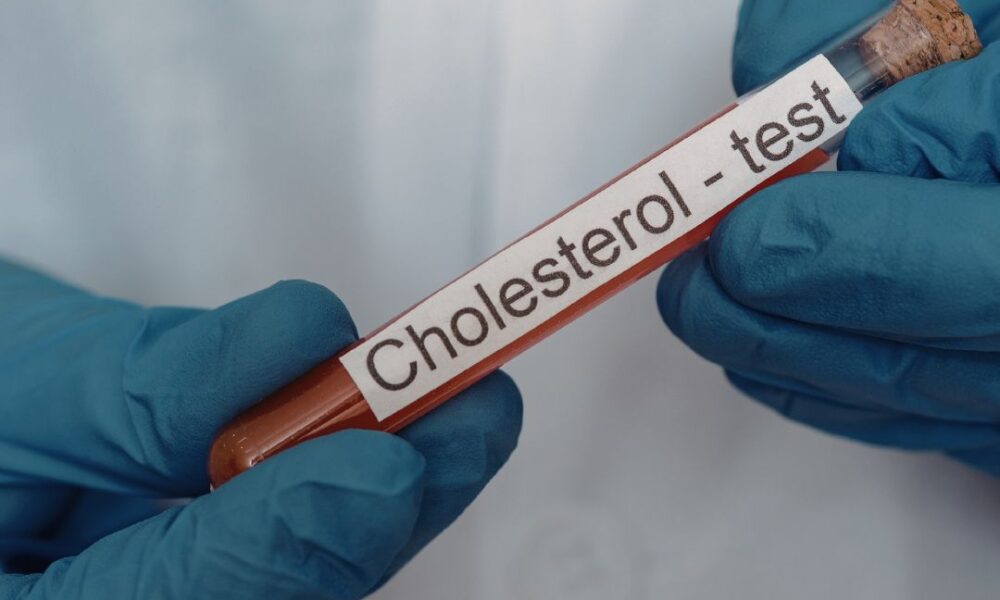
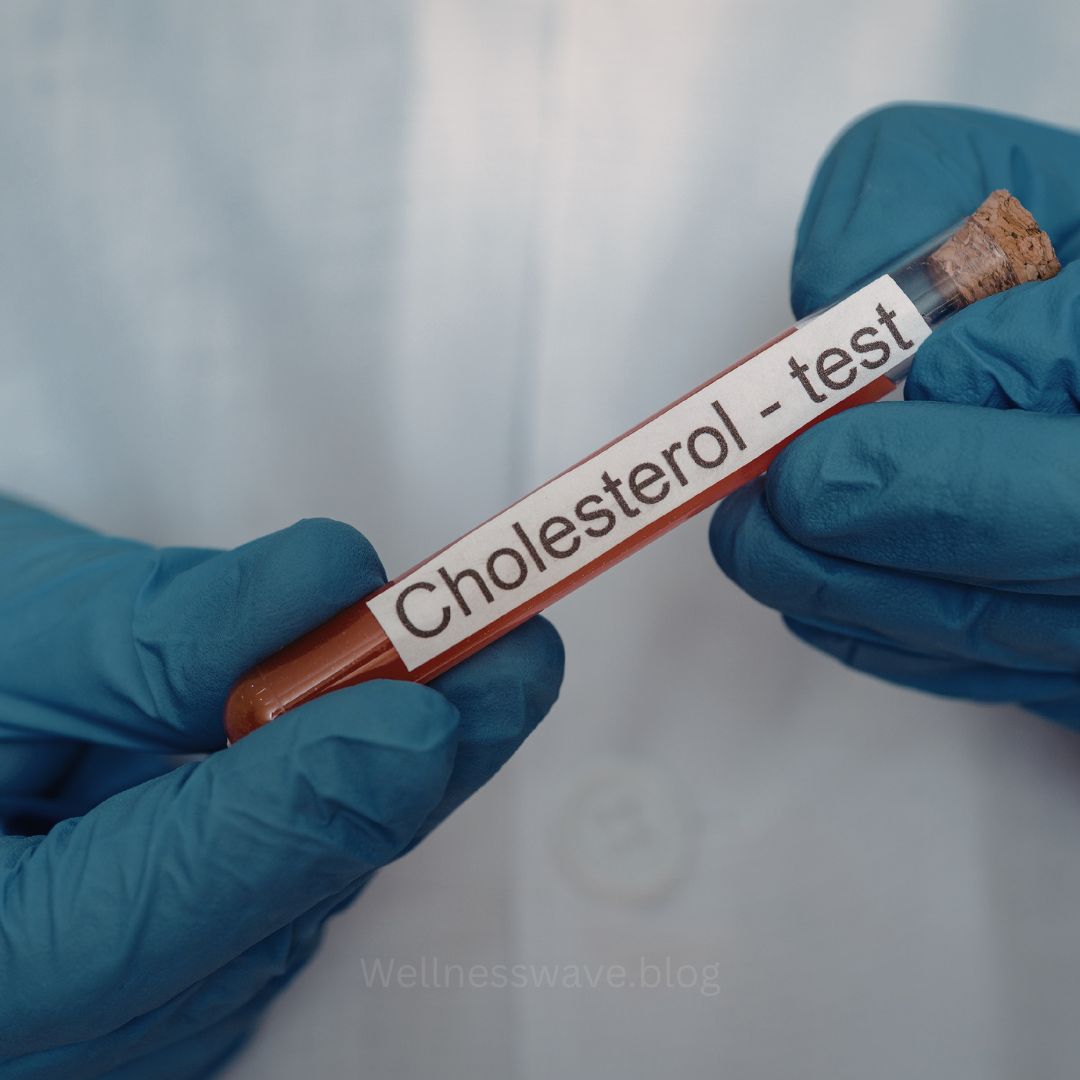
How To Read Your Cholesterol Report The Right Way
Most people panic the moment they look at their cholesterol reports above 200 on their report. Fear sets in, Google searches begin, and suddenly heart attack anxiety kicks in. This happens because they look at only one parameter, which is total cholesterol, and immediately assume that something is wrong and they are at a high risk of cardiovascular diseases. It has different parameters that should be analyzed properly before reaching a conclusion and getting stressed.
1. Total cholesterol alone does not decide your heart risk.
2. Reading cholesterol the wrong way creates unnecessary fear.
To really understand whether your heart is at risk or not, you must know how to read a lipid profile properly. It is essential to understand a few points before concluding the cholesterol reports.
- What each cholesterol number actually means
- Why HDL, triglycerides, and VLDL matter more than total cholesterol
- What doctors really look at while assessing heart risk
- When to worry and when not to
Why Total Cholesterol Alone is Misleading?
Total cholesterol is a combined number which includes LDL (bad cholesterol), HDL (good cholesterol), and VLDL (linked to triglycerides). So when you only look at total cholesterol, you’re not seeing the full picture. Total cholesterol being a sum of different types of cholesterol does not tell you where the cholesterol is coming from, Whether it is protective or harmful. Whether your lifestyle is supporting heart health or damaging it.
The Numbers That Actually Decide Heart Risk
To assess heart risk properly, it is important to focus on these three key values rather than total cholesterol alone.
1.LDL
2.HDL
3.VLDL
These numbers give a clearer idea of how healthy your metabolism and heart are.
HDL – The Cardio-Protective Cholesterol
HDL is known to be good cholesterol because it helps remove excess cholesterol from blood vessels and protects the heart from any kind of disease. HDL usually increases with regular physical activity. People who exercise regularly tend to have higher HDL levels. That is why it is not wise to solely depend on total cholesterol, as high HDL levels can be a good sign, which might also show higher numbers in terms of total cholesterol. HDL levels of 50 mg/dL or above are protective for heart health, while HDL levels below 40 mg/dL can be a warning sign. Low HDL means low physical activity and poor lifestyle habits. Therefore, even if the total cholesterol levels are normal and HDL levels are low, it still increases heart risk.
Triglycerides
Triglycerides increase when the body has excess unused energy. It is high due to high sugar intake, refined carbohydrates, alcohol, poor sleep, abdominal fat, fatty liver, and lack of exercise. While healthy triglyceride levels are below 150 mg/dL, which is considered safe, levels above 150 mg/dL contribute to a higher heart risk. This is why triglycerides are a major red flag even if the total cholesterol levels are normal or within range. [1]
VLDL – Very Low-Density Lipoprotein
High VLDL cholesterol generally indicates a higher risk of plaque formation, atherosclerosis, heart disease, and stroke, as it indicates an excess of triglyceride-rich particles in the blood. High VLDL means a higher risk of cardiovascular diseases. VLDL is directly connected to triglycerides; if your triglycerides are high, VLDL levels increase. Normal VLDL ranges 20mg/dL or lower.
The Athlete’s Paradox
People who exercise regularly, stay physically fit and active, and have a strong metabolism usually show a different cholesterol pattern. These individuals tend to have higher levels of HDL, also known as good cholesterol, while their triglyceride levels remain normal or low. In some cases, their cholesterol reports may show slightly high total cholesterol levels. However, this increase is mainly due to higher HDL levels and is not considered harmful. This condition is known as the “athlete’s paradox,” where the total cholesterol number appears high, but heart health remains safe and low-risk.
When Is High Cholesterol Dangerous?
High cholesterol becomes dangerous when the total cholesterol level is high and the good cholesterol (HDL) is low. When triglycerides and VLDL are also high, it means the body is not using fat properly. This usually happens because of poor lifestyle, unhealthy food, lack of exercise, and high stress. In this condition, fat starts to stick to the walls of blood vessels. Blood flow becomes slow, and the risk of heart disease and blockage increases. That is why high cholesterol should not be ignored.
Why Lipid Report Alone Is Not Enough
A lipid profile can only give partial information about heart health. Even though it shows cholesterol numbers, it doesn’t explain why those numbers are high or how they affect the body. Cholesterol levels are closely connected to other systems in the body, such as blood sugar control, thyroid function, liver health and blood pressure. While assessing the cholesterol report, it is important to consider all other factors as well, to complete the risk assessment. Cholesterol may appear normal, but underlying causes like insulin resistance, thyroid imbalance or high blood pressure can still increase heart risk. On the other hand, slightly high cholesterol may also not be dangerous if good cholesterol levels are high.
This is why doctors never assess heart risk using cholesterol values alone, they always correlate lipid profile results with other important health parameters.
1. HbA1c (Hemoglobin A1c)
HbA1c shows us how the blood sugar was managed in the past 2-3 months.
- Normal HbA1c range: below 5.7
- High HbA1c: shows signs of insulin resistance
Insulin resistance not only increases sugar levels but also disturbs the cholesterol patterns.
2. High insulin resistance
- Increases triglycerides
- Reduces HDL
- Increases the risk of heart diseases
It is essential to know that if cholesterol and HbA1c are abnormal, then heart risk is considered to be high. Doctors always evaluate on the basis of HbA1c. Insulin resistance is closely tied to metabolic and diabetes risk. Reversing diabetes can help improve diabetes overall health.
3. TSH
The thyroid gland controls the body’s metabolism.
If TSH is high then
- The body isn’t able to clear cholesterol properly
- LDL and triglycerides increase
Uncontrolled thyroid also leads to disturbed cholesterol levels, even with a healthy diet.
4. Liver Enzymes
The liver processes cholesterol. If liver enzyme levels are high, cholesterol metabolism is disturbed and triglycerides often rise. It also increases the risk of fatty liver. This proves that cholesterol is not just a food issue.
5. Blood Pressure
High blood pressure, when combined with a wrong lipid pattern, increases the risk of heart diseases. In this situation cholesterol numbers can become a point of concern. If blood pressure is high but HDL is above 50 and triglycerides are below 150, then it means the body’s metabolic support is functioning well.
But if blood pressure is high, HDL is low, and triglycerides are high, then it can be a warning sign, as this pattern clearly shows a disturbed lifestyle. In such cases it is important to take immediate action and bring dietary and other necessary changes in your life, along with medicines, to reduce heart risk. (Please note, this is not medical advice. Before switching to any kind of medication, kindly consult a physician).
What Not to Remove From Your Diet
Most people remove cashews, ghee, and coconut and avoid fried foods to reduce cholesterol levels , but continue smoking, drinking and sitting all day without physical activity. It is important to understand natural fats are not the enemy, but ultra processed foods, smoking, drinking and unhealthy lifestyles are.
Can The Doctor Predict a Heart Attack From One Report?
No one, not even the doctor can predict a heart attack by looking at the lipid profile alone. To assess true risk a doctor needs to understand your daily routine, physical habits, sleep quality, stress levels, blood pressure, sugar levels and even the waist and hip ratio.
The Bottom Line
Heart risk doesn’t come with high cholesterol levels. It comes with an unhealthy lifestyle. Bringing around simple changes in day-to-day life can reduce risk. A healthy diet and active lifestyle can act as major contributors.
Disclaimer: This article is for informational and educational purposes only and is not intended to replace professional medical advice, diagnosis, or treatment. Cholesterol levels and cardiovascular risk can vary from person to person and should be assessed in the context of the complete lipid profile, medical history, blood pressure, blood sugar, lifestyle, and other relevant health factors. Do not start, stop, or change any medication based on the information in this article. If you have abnormal cholesterol results or concerns about your heart health, consult a qualified doctor for appropriate evaluation and guidance.
Related FAQ’s

Is My Poor Sleep Making Me Feel Like a Failure?
High Cholesterol Explained: Causes, Risks & Natural Ways to Control It
No Comment! Be the first one.