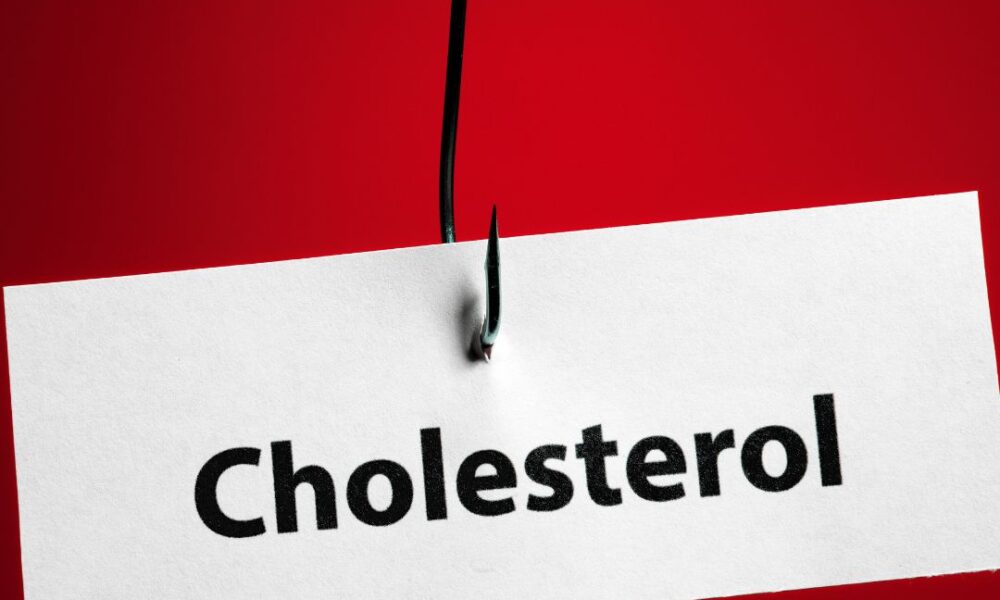
High Cholesterol Explained: Causes, Risks & Natural Ways to Control It
Are you feeling tired, gaining weight easily, or experiencing mild chest discomfort after the age of 30? Cholesterol could be the reason. In today’s world, high cholesterol has become a common health issue, especially in women. People believe high cholesterol is just because of oily or fried food, but that isn’t the complete truth. According to science, cholesterol is a complex process that involves LDL oxidation, inflammation, and plaque formation inside the blood vessels. It is a complex metabolic issue that is deeply connected to lifestyle, hormones, stress, and genetics. Cholesterol is essential for our body, but the problem begins when it becomes too high and sticks to the inner walls of blood vessels (arteries). It blocks the arteries and makes them narrow, reducing blood flow.
Think of your blood vessels like water pipes in a house. When the pipes are clean, water flows smoothly. But when grease, dirt, or waste starts sticking to the inner walls of the pipes, the space becomes narrow and restricts the water flow. Cholesterol works in the same way.
What Is Cholesterol?
Cholesterol is a waxy fat-like substance (lipid) that our body produces naturally. It is not an enemy; instead, it is essential for our bodies. It helps in building cell membranes and hormones and produces vitamin D and bile acids for digestion.
Types Of Cholesterol
1. LDL – Low-Density Lipoprotein (Bad Cholesterol)
LDL is known as “bad cholesterol” because it gets deposited in the blood vessels, and when LDL levels are high, it sticks to the walls of the arteries and slowly turns into plaque (a sticky layer). High levels of LDL narrow the arteries (a condition medically known as atherosclerosis), due to which blood flow slows down and the heart isn’t able to get proper oxygen. High LDL can increase the risk of heart attack, brain stroke, and high blood pressure.
2. HDL – High-Density Lipoprotein (Good Cholesterol)
HDL is known as “good cholesterol” because it plays a protective role in our body. It picks up excess cholesterol from the blood and carries it to the liver; the liver then removes this excess cholesterol from the body and keeps the blood vessels clean and healthy.
What is High Cholesterol?
High cholesterol occurs when :
- LDL is high
- HDL is low
- Total cholesterol exceeds the normal limit
What Causes of High Cholesterol?
1. Unhealthy diet
An unhealthy diet is a major factor for high cholesterol. Foods like fried and processed foods, trans fats, bakery items, excess sugar, and refined carbs all contribute to high levels of LDL (bad cholesterol).
2. Sedentary lifestyle
Zero or no physical activity and long sitting hours slow down the metabolism and increase cholesterol.
3. Chronic Stress
Being in stress for a long time increases stress hormones (cortisol) and disturbs the normal functioning of cholesterol, that is why mental health is directly related to heart health.
4. Hormonal Imbalance (Especially in Women)
Women are more prone to high cholesterol if they suffer from PCOD/PCOS, thyroid issues, or menopause.
5. Genetics
If any of the family members (parents, relatives) have high cholesterol, then the risk automatically increases. In this case, a healthy lifestyle and regular testing become very important.
Health Risks of High Cholesterol
If cholesterol is left untreated for a long time, it can lead to serious health problems. High cholesterol increases the risk of heart disease by narrowing the arteries, which reduces the heart’s ability to receive proper blood supply. Over time, conditions such as high blood pressure, poor blood circulation, fatty liver disease, and even stroke can gradually develop.
In the long run, high cholesterol may also contribute to metabolic syndrome—a cluster of conditions that increases the risk of diabetes, obesity, and heart disease. It is important to understand that these problems usually develop slowly and often without noticeable symptoms. This is why early care, lifestyle changes, and regular health check-ups are highly recommended.
How Cholesterol Affects the Heart
Scientifically, the process by which cholesterol damages the heart is slow and gradual. When bad cholesterol, known as LDL, increases in the body, it starts depositing on the inner walls of the arteries. This buildup triggers inflammation, which gradually turns into plaque formation.
As the plaque continues to grow, the blood vessels become narrower, and blood flow slows down. This directly affects the heart, as it receives less oxygen-rich blood. If this process continues unchecked over time, the risk of heart attack and stroke increases significantly.
How to Control High Cholesterol Naturally
The first step to control cholesterol begins with a healthy diet and a healthy lifestyle. Adding fruits, nuts, vegetables, whole grains, seeds, and healthy fats like olive oil along with brisk walking and physical activity is considered to be scientifically beneficial. These foods improve the cholesterol balance and support the heart. Limiting fried foods, processed foods, bakery items, sugary drinks, and snacks is unavoidable, as it increases LDL levels. Scientific research shows that fiber-rich foods help reduce bad cholesterol and support overall heart health.
Ways to Control Cholesterol
1. Improve Gut Health
Our gut health has a direct connection with cholesterol. When digestion is weak and gut bacteria is imbalanced, the body is unable to process cholesterol. This can lead to a rise in bad cholesterol (LDL) over time.
What To Do
1. Include curd, buttermilk, and fermented foods in your daily diet.
2. Eat fiber-rich foods like oats, fruits, vegetables, beans, barley, and whole grains. Fatty fish is also known to reduce bad cholesterol levels.
3. Avoiding junk food is the most important part to reduce cholesterol levels
A healthy gut equals better cholesterol control
2. Manage Stress
Stress isn’t just a mental problem. When our body is under stress, it releases cortisol, which can directly increase LDL levels.
What To Do
1. Practice 10-15 breathing daily, increase duration gradually.
2. Daily walk for at least 20-30 mins
3. Proper Sleep, at least 7-8 hours
4. Spend time doing something you enjoy
3. Insulin Resistance
Insulin resistance is one of the hidden causes ,when the body is unable to use insulin properly, the fat burning process slows down and LDL increases. Controlling weight also becomes difficult. This is a common problem for women suffering with PCOS, thyroid and menopause.
4. Meal Timings
Cholesterol doesn’t depend only on what we eat, but also on when we eat. Frequent snacking and late night heavy dinner increases LDL. Early dinner and 12-14 hour light fasting helps control cholesterol naturally.
5. Small Lifestyle Changes
Small lifestyle changes in our daily routine can help control high LDL levels. Avoiding sugar, processed foods, smoking, and alcohol, along with brisk walking, a healthy diet, deep breathing, and drinking enough water, can make a huge difference.
The Bottom Line
High cholesterol does not develop overnight nor is it caused by a single food choice. It is a result of long term life-style habits, stress, hormonal changes, imbalanced daily routines, and diets full of junk and processed foods. Managing cholesterol needs extra care and dietary changes. When the body receives the right food at the right time along with portion control, enough sleep, proper hydration, regular physical activities, and a calm mental state, cholesterol levels begin to improve naturally.
Related FAQs
How To Read Your Cholesterol Report The Right Way
Is Nasya the Missing Solution for Your Migraine Pain?
No Comment! Be the first one.